Journal
Pied-à-Terre Meaning: What It Is and Why NYC Has So Many
Pied-à-terre translates from French as "foot on the ground," and that is close to its real meaning: a small home kept in a city you visit often but do not live in full-time. In New York, the phrase has drifted from real-estate jargon into everyday use, which is why so many people know the words without knowing exactly what they describe.
The literal and practical meaning
Literally, pied-à-terre means a place to set your foot down — a temporary landing spot rather than a permanent base. Practically, in New York real estate, it means a compact apartment, usually one bedroom or a studio, owned or rented by someone whose primary residence is somewhere else entirely: another city, another country, or another home upstate or in the suburbs.
The defining feature is not size but purpose. A pied-à-terre is not where someone's life happens day to day. It is where they land when business, family or the city itself pulls them back on a recurring basis — a few nights a month, a stretch of weeks each season, a standing arrangement rather than a full-time residence.
Who actually uses one
The classic pied-à-terre owner is someone with a reason to be in New York regularly but not constantly. A few recurring profiles show up again and again.
- Executives and consultants based elsewhere who fly in for board meetings, client work or a standing weekly office day.
- Parents of NYC students or young professionals who want a base for visits without booking a hotel every time.
- Second-home owners from outside the city — the Hamptons, upstate, another country — who want a stop between the airport and the house.
- Creatives and performers in New York for a show run, a residency or a recording stretch, then gone for months.
None of them need a full apartment's worth of commitment. All of them want a real address rather than a rotating cast of hotel rooms.
How it differs from a second home or an investment property
A vacation house is usually chosen for leisure — a beach, a mountain, a slower pace. A pied-à-terre is chosen for access: proximity to an office, an airport, a hospital, a family member, a stage. It is a functional decision more than a lifestyle one, even when the apartment itself is beautifully finished.
In the past pied a terres were kept empty when not in use, but now with initiatives like the “Pied a Terre” program, owners can both enjoy and/or lease their investment.
Why the word gets misused
"Pied-à-terre" has drifted into loose use as a synonym for any small city apartment, including ones people live in full-time. The distinction worth keeping is intent: a primary home is where a life is organized around; a true pied-à-terre is a landing pad, kept for the days a life elsewhere happens to require New York.
The furnished-rental alternative to owning one
Buying and furnishing a pied-à-terre carries real costs even when it sits empty most of the year — a mortgage or opportunity cost, maintenance, furnishing, a super to manage it, taxes, insurance. For anyone who needs the same function without the ownership, a furnished monthly residence does the same job on demand: a real home to land in for the weeks it is actually needed, without carrying it for the months it isn't.
Renting also solves the two quiet costs of owning a true pied-à-terre: the apartment that sits empty and unmonitored for weeks at a time, and the fact that most owned pied-à-terres eventually need a full renovation and furnishing decision before they're worth using. A furnished monthly residence arrives ready — housekeeping between stays, a concierge who knows the file, and nothing sitting idle on a balance sheet when you're not in the city.
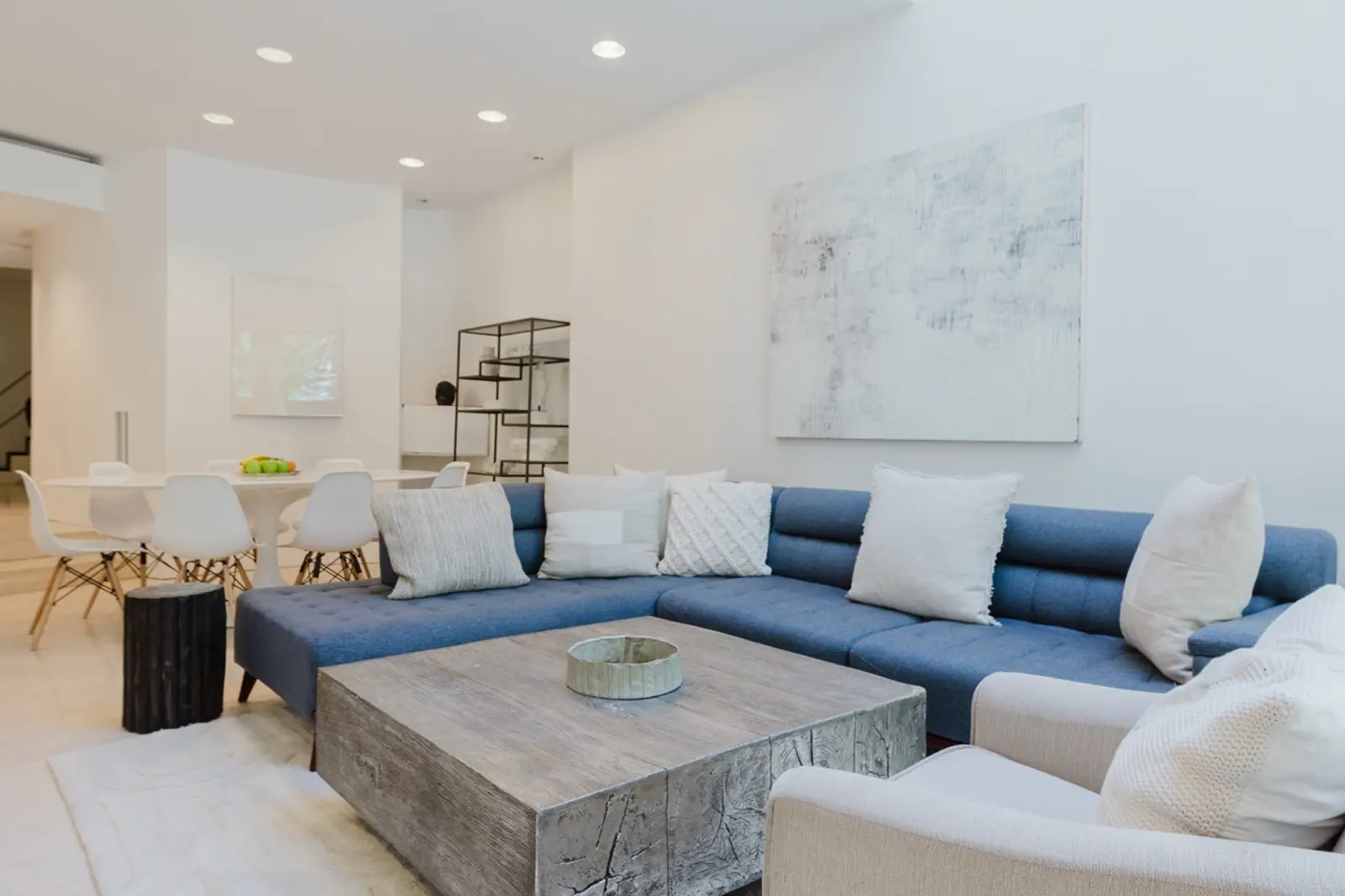
Seasonal's Pied-à-terre in the Sky in NoMad is a direct example of the category done as a rental rather than a purchase — a light-filled one-bedroom on the twentieth floor of The Anagram, one of the neighborhood's more considered new buildings, with views out over the Flatiron rooftops and room to sleep three between the bedroom and a sofa bed. It is compact, contemporary and designed to live larger than its footprint, built for exactly the recurring visitor a pied-à-terre traditionally serves — a couple settling in for a season, a professional on assignment, a family keeping a New York visit simple.
It sits within the broader monthly furnished rentals collection, all held to the same thirty-night structure that keeps the arrangement simple and fully legal under the city's short-term rental rules — see our explainer on Local Law 18 for how that line is drawn.
The short version
A pied-à-terre is a small foothold in a city you return to but don't live in — chosen for access, not leisure, and used on a recurring rather than daily basis. It is not a vacation home, not an investment property, and not, despite how loosely the phrase gets used, just another word for a small apartment someone lives in full-time.
Whether that foothold is owned or rented is increasingly a financial decision rather than a definitional one, and for many recurring visitors, renting the function without owning the asset is the more sensible landing.
Curious what that looks like in practice? Explore Seasonal's NYC residences and see how a pied-à-terre can work without the mortgage.


