Journal
Finding the best 24/7 NYC Stores Near You
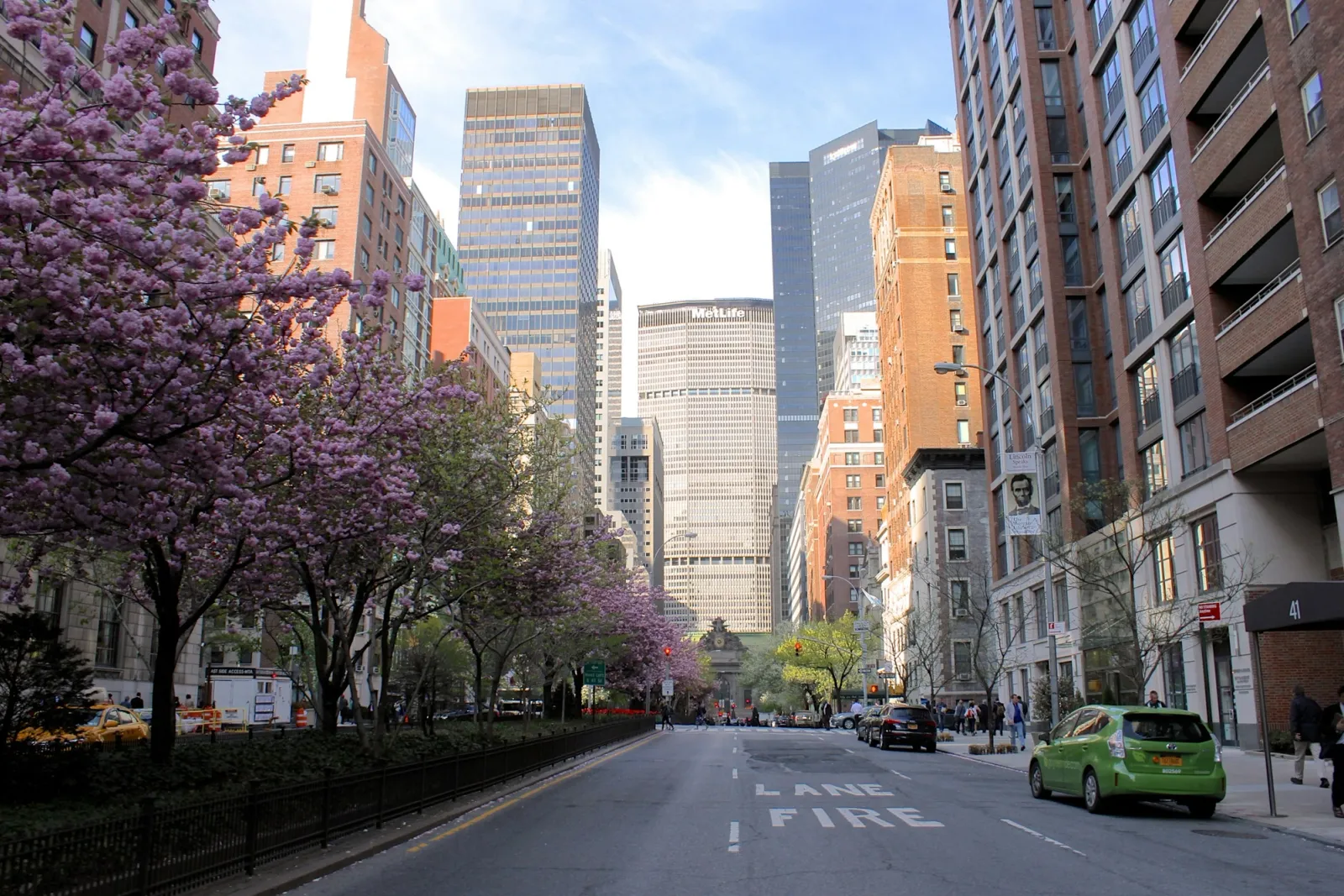
New York does not really close. Search "24/7 stores near me" from most blocks in Manhattan or brownstone Brooklyn at three in the morning and something will answer: a bodega, a pharmacy, a diner with the lights still on. The city was built on foot traffic and small storefronts stacked close together, and that density is what keeps the lights on long after the workday ends.
Why New York Runs on a Different Clock
Most American cities separate where people live from where people shop, so after-hours errands mean a car and a drive. New York inverted that. Ground-floor retail sits under nearly every residential building, and a single block can hold a dozen small businesses instead of one big one. That density is what makes round-the-clock service possible: no single store needs to serve the whole neighborhood alone, so the ones that do stay open aren't gambling much to do it.
It also means the answer to "what's open right now" depends less on the hour and more on where you're standing. A Financial District block empties out at night, built for office workers who go home. A dense, residential-and-retail corridor in the West Village or Midtown East keeps a different rhythm, because the people who live there are the customers at every hour, not just nine to five.
Finding 24/7 Stores Near You: What's Actually Open
A few categories carry the city's overnight economy, and knowing which one you need narrows the search fast.
Bodegas and delis. The backbone of late-night New York. Most neighborhoods have at least one within a few blocks that never locks the door — coffee, snacks, basic groceries, and usually a deli counter that will make a sandwich at any hour you ask.
Pharmacies. The national chains run a rotating set of 24-hour locations in the busier parts of Manhattan, fewer than a decade ago but still reliable in the neighborhoods with the most foot traffic. Worth checking hours in advance if you need something specific rather than assuming every location on the corner runs all night.
Diners and late-night kitchens. Classic New York diners and a growing set of restaurants built for the after-midnight crowd will serve a full meal well past when most cities have stopped cooking. Not every neighborhood has one within walking distance, but the ones that do tend to be local institutions.
Gyms. A number of fitness chains and boutique studios in Manhattan offer 24-hour access via keycard or app, useful for guests running on a different body clock than the city around them.
Laundromats. Coin-operated and drop-off laundromats in the busier residential corridors often run well into the night, a detail that matters more on a longer stay than it would on a weekend trip.
The subway. Unlike most transit systems, New York's runs all night, every night. It's slower after midnight and worth checking service alerts before relying on it, but it means a store or a meal across town is rarely out of reach just because of the hour.
None of this is evenly distributed. A single avenue can have three of these open at once while the block behind it is dark by ten. That unevenness is normal for New York, and it's exactly why the neighborhood you choose does more work than any single search.
The Neighborhood Factor
Where you're staying does more to answer "what's open near me" than any single search. Dense, mixed-use neighborhoods where retail and residences sit on the same blocks tend to keep later hours than areas built primarily around offices or single-family townhouses. The West Village is one of the most reliable examples: narrow streets, a high concentration of small storefronts, and a residential population that keeps foot traffic steady well past midnight. Midtown East runs on a different but related logic, close enough to the neighborhoods that never fully quiet down that a short walk usually turns something up.
This is worth factoring in before you book, not just after you arrive. A residence a few blocks from a genuinely mixed-use corridor will put more open doors within easy reach than one on a quiet residential stretch, even if both are technically "central."
For Guests Arriving Off-Hours
The guests who search this question most often aren't tourists. They're the ones landing on a red-eye, working a call scheduled for a different time zone, or simply keeping hours that don't match the sun. For an extended stay, that matters more than it would for a weekend trip — a week or a month of jet lag, late flights, and odd meeting times means the neighborhood's after-hours options stop being a curiosity and start being part of daily life.
That's part of why a fully furnished, serviced residence changes the calculation. Arriving at midnight with the kitchen already stocked for the basics, or knowing there's a concierge to call if something specific is needed, removes the pressure to find an open store the moment you land. The neighborhood still matters for the times you do want to step out, but it stops being the only plan.
It also changes how the first week of a longer stay actually feels. Guests settling in for a month rather than a weekend tend to build a mental map of the neighborhood fast — which corner has the deli, which pharmacy stays open, which route the late train runs. That map is easier to build when the surrounding blocks already keep late hours, and harder when every errand after dark means a longer walk or a car.
New York's after-hours economy rewards knowing your neighborhood rather than memorizing an address. Pick a stay in one of the city's dense, always-on corridors, and the 24-hour options tend to find you.
Browse Seasonal's residences in New York's most walkable, always-on neighborhoods, or read the soft-landing guide for more on settling into the city's rhythm before you arrive.


